

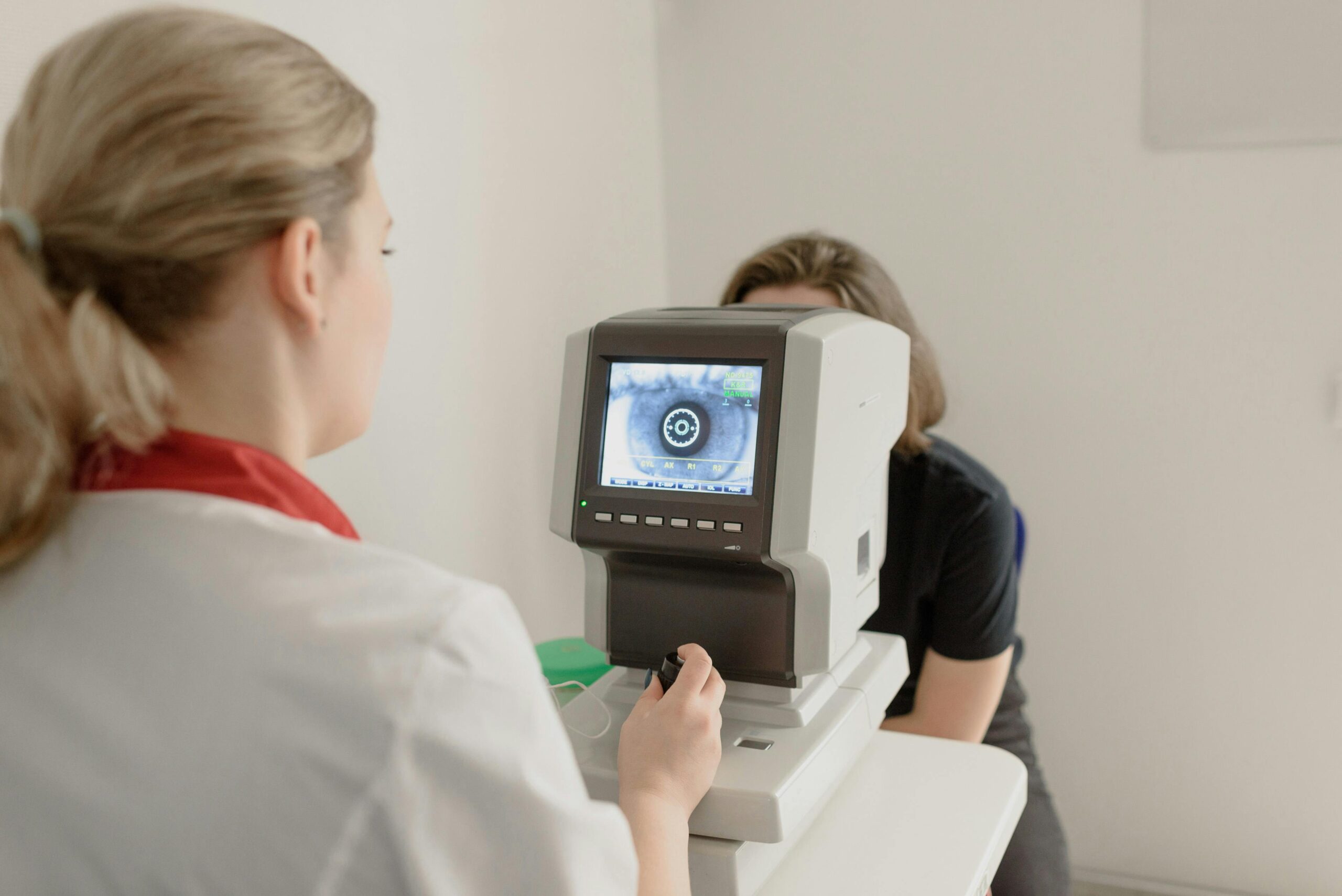
1. Persistent Blurred or Distorted Vision
- Why it’s important: CSR typically causes temporary blurred or distorted vision, but if these symptoms persist for more than 3-4 months, it’s a sign that the condition may not resolve on its own and needs medical attention.
- Action: If your vision remains blurry or distorted for an extended period, make an appointment with an eye specialist to discuss potential treatments.
2. Vision Deterioration Despite Treatment
- Why it’s important: If you’ve already been diagnosed with CSR and are undergoing treatment but notice that your vision continues to deteriorate or symptoms are getting worse, this could indicate that the current treatment isn’t effective.
- Action: Contact your doctor to discuss alternative treatments like laser therapy, photodynamic therapy (PDT), or medication options.
3. Recurring CSR Episodes
- Why it’s important: If your CSR resolves but keeps coming back, it’s considered chronic CSR. Recurrent episodes could lead to long-term damage to your central vision if not managed properly.
- Action: If you experience multiple CSR flare-ups, see a specialist to discuss a long-term management plan and explore more aggressive treatments to prevent further damage.
4. Severe Central Vision Loss
- Why it’s important: While mild CSR can cause slight blurriness, more severe cases can result in significant central vision loss. If you experience sudden, severe vision loss in the center of your field of view, it may indicate a serious form of CSR or another eye condition.
- Action: Seek immediate medical attention if you experience sudden or severe central vision loss to avoid permanent damage.
5. Changes in Your Visual Field
- Why it’s important: If you notice additional changes in your vision, such as blind spots, flashes of light, or the appearance of a “curtain” over your field of vision, it could indicate a more serious condition like retinal detachment, which can occur alongside CSR.
- Action: Seek urgent medical care if you experience these symptoms, as retinal detachment requires immediate treatment to prevent permanent vision loss.
Conclusion:
CSR can sometimes resolve on its own, but persistent symptoms, recurring episodes, or severe vision changes warrant a visit to a specialist. Early intervention can help prevent long-term vision loss and provide more effective treatment options. If any of these signs apply to you, it’s important to seek professional help.