

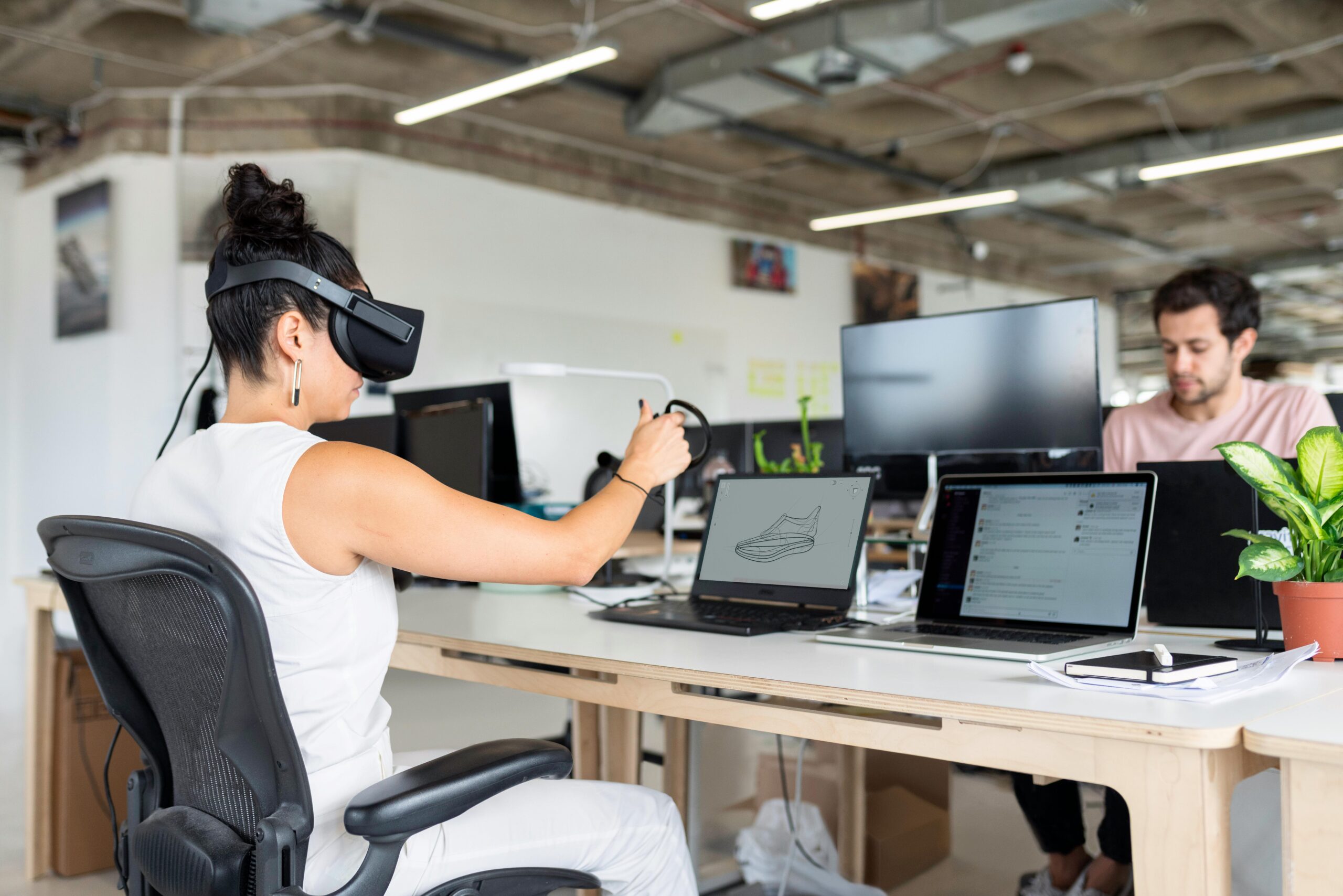
If you’re living with Central Serous Retinopathy (CSR), you may be wondering whether using Virtual Reality (VR) headsets is safe. Here are key considerations and tips for using VR while managing CSR.
1. VR Can Increase Eye Strain
Spending time in VR demands constant focusing and refocusing, which can strain the eyes—especially if you’re already dealing with CSR symptoms like blurred or distorted vision.
Tip: Limit VR sessions and take regular breaks.
2. Prolonged VR Use Might Contribute to Fatigue
Using VR for long periods can cause eye fatigue, headaches, and visual discomfort, which might worsen CSR-related visual issues.
Tip: Keep VR sessions short—ideally 10-15 minutes at a time.
3. VR Screens Emit Blue Light
The blue light emitted from VR headsets can increase light sensitivity and potentially contribute to eye strain, which may exacerbate CSR symptoms.
Tip: Use blue light filters or VR settings that reduce brightness and contrast.
4. Stress and Overstimulation Can Trigger Flare-Ups
Immersive VR experiences can be intense, raising stress levels in some users. Stress is a known trigger for CSR flare-ups.
Tip: Choose calming VR content and avoid overstimulating or fast-paced environments.
5. Depth Perception Issues Can Be Worse With CSR
CSR often affects depth perception, and VR heavily relies on depth cues. This might make VR experiences more disorienting or uncomfortable for CSR patients.
Tip: Adjust VR settings for comfort and avoid prolonged gameplay that requires fast depth adjustments.
6. Monitor Symptoms Closely After VR Use
Everyone reacts differently. If you notice increased blurriness, distorted vision, or eye discomfort after VR use, it may be a sign to cut back or avoid VR altogether.
Tip: Keep a symptom log and consult your eye doctor if issues arise.
7. Talk to Your Eye Specialist Before Using VR Regularly
If you’re managing CSR and considering frequent VR use, it’s best to consult your eye doctor. They can give you tailored advice based on your condition.
Tip: Get a professional opinion before making VR part of your daily routine.
Conclusion
VR can be fun and engaging, but it’s important to approach it with caution if you have CSR. Limiting screen time, reducing eye strain, and managing stress can help prevent flare-ups and protect your vision.