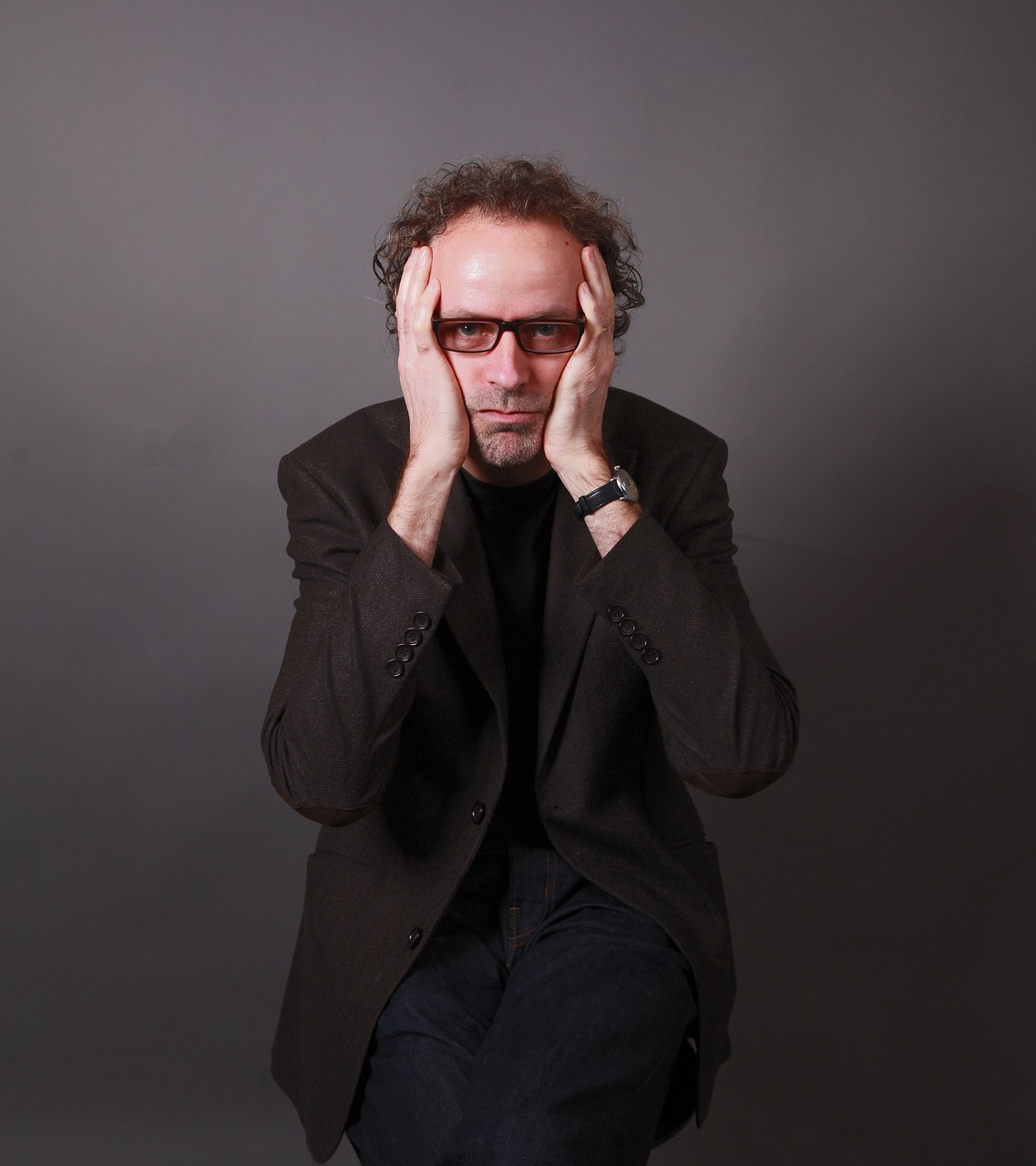


“Panic, Overthinking, and the Cortisol Spiral”
It starts small.
A weird visual flicker.
An unexpected wave of fatigue.
A sense that something feels… off.
Then the thoughts kick in.
“Is this a flare?”
“Am I slipping again?”
“Did I mess up my recovery?”
You try to stay calm, but your heart speeds up. Your stomach tightens. You can’t focus. And just like that — you’re in a full-blown cortisol spiral.
This entry unpacks how small cues snowball into hormonal storms, how panic turns into physical dysregulation, and most importantly, how to break the cycle before it hijacks your day — or delays your healing.
The Anatomy of the Cortisol Spiral
A cortisol spiral is what happens when a single signal of danger — real or imagined — triggers a chain of reactions your body can’t slow down on its own.
It typically looks like this:
- Trigger: A symptom (visual change, fatigue, brain fog) or stressor (email, conversation, task).
- Thought: “I’m not safe,” or “I can’t handle this.”
- Body responds: Cortisol, adrenaline, increased heart rate, tension.
- Brain loops: More thoughts. Worst-case scenarios. Hyperfocus on the body.
- Reinforcement: Cortisol stays high, physical symptoms intensify, and now the fear feels justified.
You are now locked in a self-feeding cycle — a mind-body feedback loop that keeps you in fight-or-flight.
With CSR, this loop doesn’t just affect your emotions. It affects:
- Blood flow to your eyes
- Fluid retention in the retina
- Your ability to rest, digest, and recover
Why CSR Makes This Loop Stronger
When your vision is impaired — even slightly — your brain becomes more hypervigilant.
It’s not just fear of blindness. It’s that your safety system is visually compromised, so your body ramps up other systems (like cortisol) to compensate.
This means:
- You become more sensitive to small shifts
- You lose trust in your body’s signals
- Every symptom becomes a possible threat
And because cortisol increases visual sensitivity, the very hormone meant to “protect” you can distort your perception even further.
The Cost of Living in the Spiral
The longer you stay in it, the more it affects:
- Sleep
- Digestion
- Mental clarity
- Mood regulation
- Retinal healing
You may feel like you’re “managing” — but you’re surviving, not recovering.
How to Break the Spiral
Not by force. Not by logic.
But by interrupting the chain reaction early.
The Disrupt & Drop Method
1. Disrupt the thought.
Say, “Pause.” Out loud. Interrupt the loop with a physical cue. Stand up. Clap. Touch a cold surface. Break the mental flow.
2. Drop into breath.
Inhale for 4. Hold for 2. Exhale for 6. Repeat for 2–3 minutes. Breathe from the belly, not the chest. This calms the vagus nerve.
3. Shift your environment.
Change rooms. Go outside. Sit on the floor. A physical location change can unpair your brain from the panic state.
4. Name what’s true.
“I’m not in danger. I’m in a loop.”
“My vision is fluctuating — that doesn’t mean I’m flaring.”
“My body is asking for regulation, not punishment.”
5. Re-regulate with sensation.
Splash your face with cold water. Lie down with a heavy blanket. Hum. Chew something crunchy. Ground yourself through sensory input.
Final Thought
Panic isn’t just emotional. It’s chemical.
And it’s not a sign you’re weak — it’s a sign your system is still learning what’s real and what’s habit.
Cortisol spirals are intense, but they’re interruptible.
And the more you disrupt early, the faster your nervous system learns the new path.
Next up in Entry 16:
“Why Talking About It Helps: Cortisol and Social Safety”
We’ll explore how speaking — even briefly — about what you’re experiencing can dramatically lower cortisol and rewire your stress patterns, even without solutions.
You don’t have to fix everything.
Sometimes, you just have to exit the loop.