

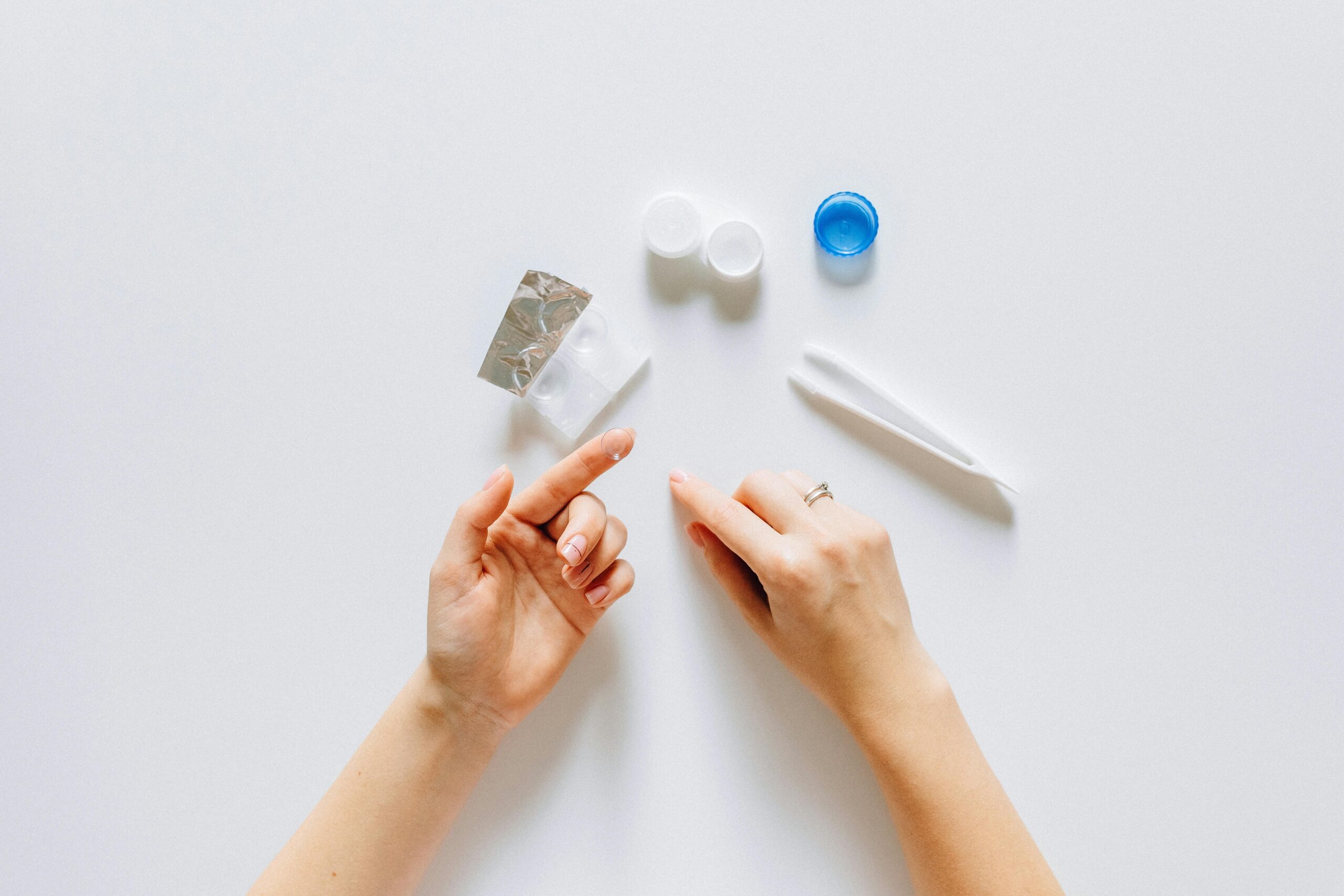
Wearing contact lenses is common, but if you have Central Serous Retinopathy (CSR), there are a few things to consider. Here’s a breakdown of how contact lenses may affect CSR and what precautions to take.
1. Contact Lenses Don’t Cause CSR
There’s no direct link between wearing contact lenses and developing CSR. CSR is usually triggered by stress, cortisol imbalances, and steroid use, not by contact lens wear.
2. Dry Eyes Can Exacerbate Discomfort
CSR patients often experience visual distortions, and contact lenses can sometimes make dry eye symptoms worse.
Tip: Use preservative-free lubricating drops approved for contact lens wearers.
3. Blurred Vision May Make Contacts Feel Ineffective
Even with the correct prescription, CSR can make your vision blurry or distorted.
This might make it feel like your lenses aren’t helping, when in reality, it’s the CSR causing the issue.
4. Increased Light Sensitivity Can Be Worse With Contacts
CSR often makes your eyes more sensitive to light. Contacts don’t cause this, but they don’t help reduce glare either.
Consider photochromic glasses or UV-blocking sunglasses when outdoors.
5. Be Cautious With Steroid Eye Drops or Medications
If you’re prescribed steroid eye drops for contact lens irritation or allergies, be careful!
Steroids can trigger or worsen CSR, so always consult your ophthalmologist before using them.
6. Daily Lenses Can Reduce Inflammation Risk
Using daily disposable contacts can lower the risk of eye irritation or inflammation, keeping things cleaner and more comfortable—especially if your eyes are already stressed from CSR symptoms.
7. Take Regular Breaks From Contact Lens Wear
Giving your eyes time to rest without contacts can reduce strain, especially if CSR makes focusing tiring.
Consider alternating with glasses during flare-ups.
8. Consult a Specialist Before Resuming Contacts During a CSR Flare-Up
If you’re in the middle of a CSR flare-up, check with your eye doctor before continuing or restarting contact lens wear. They may recommend temporary changes in your eyewear strategy.
Conclusion
Wearing contact lenses with CSR is possible, but it requires extra awareness and care. While contacts don’t cause CSR, they can increase discomfort during flare-ups or make symptoms more noticeable. Staying hydrated, using daily lenses, and avoiding steroid-based eye treatments can help minimize risks. Most importantly, listen to your eyes—take breaks when needed and consult your eye doctor if symptoms worsen. Prioritizing eye health ensures that your vision stays as stable and comfortable as possible while managing CSR.